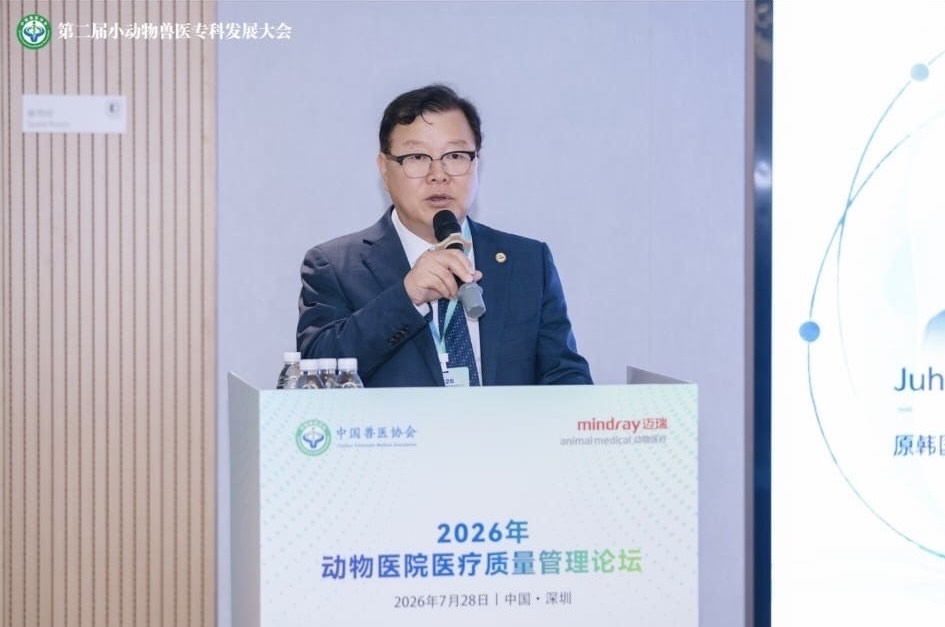
FAVA President, Dr. Ju Hyung Hur visited the Chinese Veterinary Small Animal Specialty Congress in Shenzhen, China
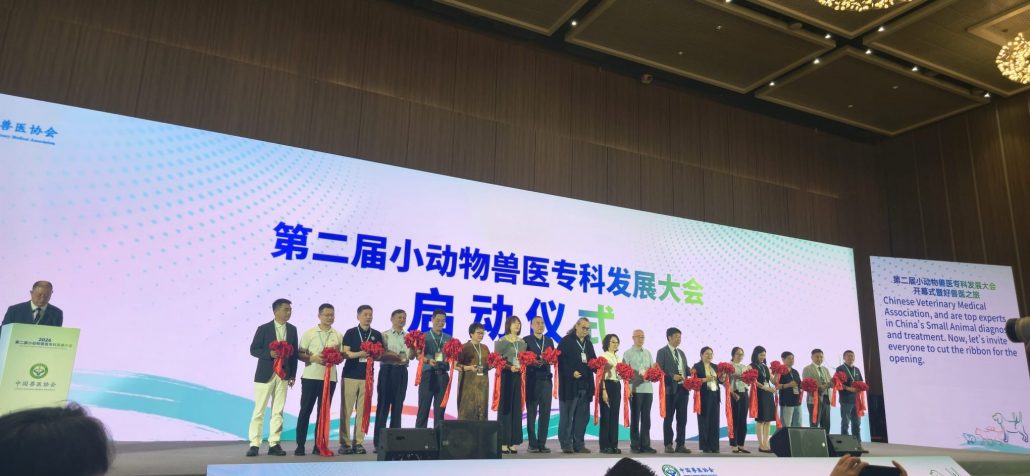
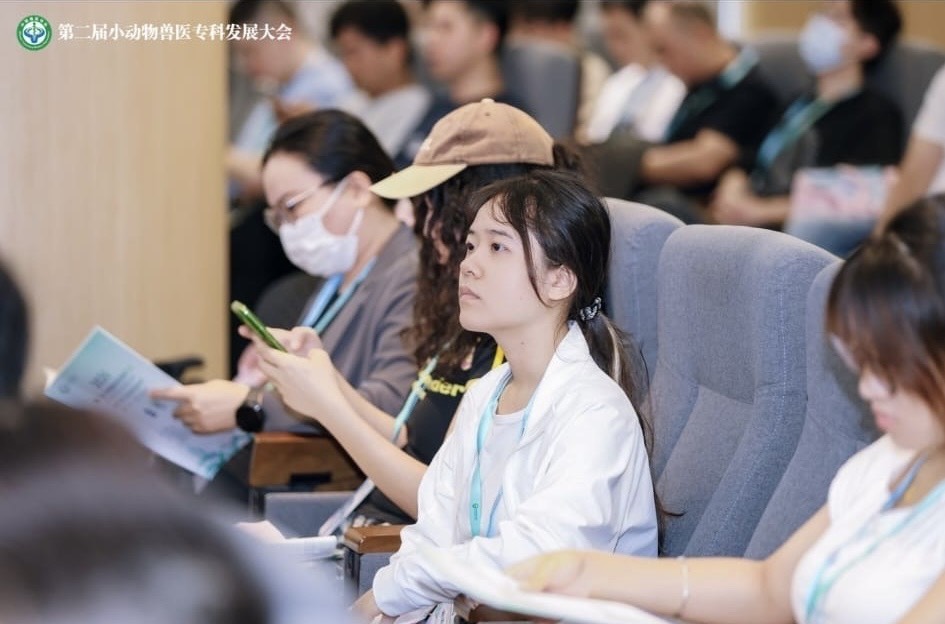
From July 27 – 30, 2026, Dr. Hur visited Shenzhen, China, to attend the Small Animal Veterinary Specialty Congress organized by the Chinese Veterinary Medical Association (CVMA). The visit provided with a valuable opportunity to observe the rapid development of China’s companion animal healthcare sector and to exchange views with Chinese veterinarians, veterinary leaders, researchers, hospital managers, and representatives of the animal health industry.
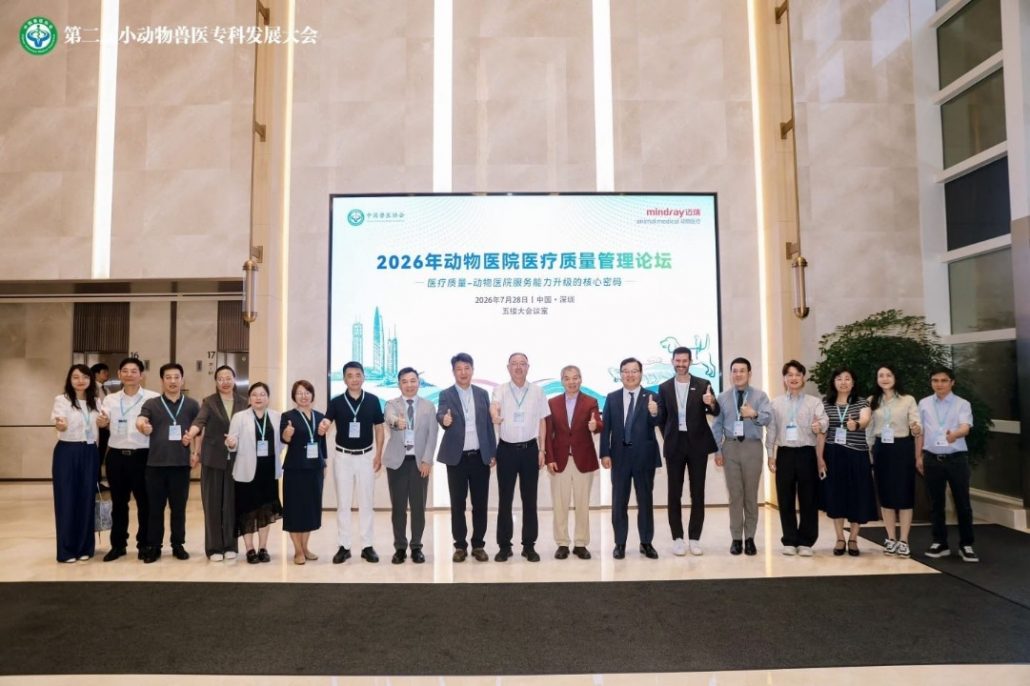
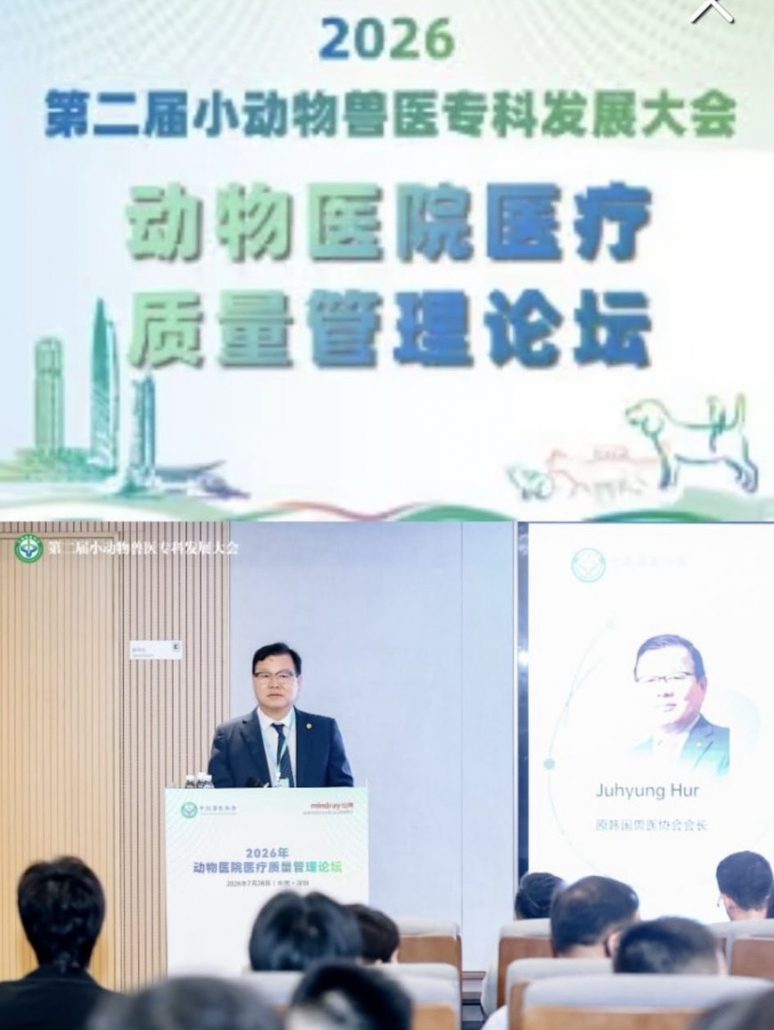
One of the most meaningful events during the visitation was a special program jointly organized by the Chinese Veterinary Medical Association and Mindray on July 28. Dr. Hur was honoured to deliver congratulatory remarks at the event. DR, Hur had emphasized that veterinary medicine in Asia is entering a period of profound change. The increasing number of companion animals, the growing expectations of pet owners, and the rapid advancement of medical technology are transforming the role of veterinarians and animal hospitals. Modern veterinary medicine now requires not only excellent clinical skills but also reliable diagnostic systems, effective hospital management, strong professional ethics, and compassionate communication with animal owners.
As the President of the Federation of Asian Veterinary Associations, FAVA, Dr. Hur also highlighted the importance of cooperation among veterinary organizations, universities, researchers, animal hospitals, and responsible industry partners. Many veterinary challenges extend beyond national borders. Infectious diseases, antimicrobial resistance, food safety, animal welfare, climate change, and zoonotic diseases require regional and international cooperation based on the One Health approach. FAVA hoped that cooperation between the Chinese Veterinary Medical Association, Mindray, and veterinary organizations throughout Asia would continue to expand. By sharing scientific knowledge, clinical experience, technology, and educational resources, we can strengthen veterinary services and contribute to the health and well-being of animals and people throughout the region.
The visitation reaffirmed Dr. Hur’s belief that veterinary organizations across Asia should work more closely together. By sharing knowledge and experience and expanding cooperation in education, research, clinical practice, animal welfare, and One Health, we can build a stronger veterinary profession and create a healthier future for animals, people, and our shared environment. FAVA sincerely thank the Chinese Veterinary Medical Association, Mindray, and all the colleagues I met in Shenzhen for their kind invitation and warm hospitality. This visit was not only an opportunity to learn about the remarkable development of veterinary medicine in China, but also a meaningful step toward strengthening friendship and cooperation among veterinarians throughout Asia.